September 9, 2026
Acne is one of the most common skin conditions affecting millions worldwide. It causes not only physical discomfort but also significant emotional distress. Seeking professional dermatological advice is crucial in managing and effectively treating acne. Dermatologists employ a multifaceted approach that caters to the unique needs of each individual. This article explores how dermatologists can help clear your acne and improve your skin health.
Acne Causes and Types
Hormonal changes are a significant contributor to acne. Both adolescents and adults can experience acne as a result of hormonal fluctuations that increase sebum production. This excess oil can clog pores, leading to breakouts. Puberty, menstrual cycles, and pregnancy are common periods when hormonal acne is prevalent. By understanding the hormonal roots of acne, dermatologists can tailor treatment plans to mitigate these effects.
Recent studies suggest that diet may play a role in acne development. Foods with a high glycemic index can spike blood sugar levels, leading to increased insulin production. This, in turn, can result in the higher production of sebum and clogged hair follicles. Dairy products have also been linked to acne in some individuals. Dermatologists can provide guidance on dietary changes that may alleviate acne symptoms.
Acne presents itself in various forms, each requiring different treatment approaches. Whiteheads and blackheads occur when pores are clogged with oil and dead skin, while pimples and cysts result from deeper inflammation. According to the Mayo Clinic, excess oil production, clogged hair follicles, bacteria, and inflammation are the four main culprits. Understanding the different types of acne is essential for developing effective treatment strategies.
Genetics play a crucial role in acne, influencing skin oil production and the potential for clogging pores. Individuals with a family history of acne are more likely to experience it themselves, highlighting the importance of personalized treatment plans. While genetic predispositions cannot be changed, dermatologists can offer targeted solutions based on genetic factors. This includes treatments that address excess oil production and the resilience of skin cells.
Comprehensive Skin Assessment
The initial dermatological consultation begins with a thorough review of the patient's medical history. Understanding the patient's previous treatments and outcomes helps the dermatologist identify potential underlying conditions. This step is crucial for ruling out other skin disorders that may be affecting the patient. It is also important for ensuring that prescribed treatments do not negatively interact with current medications. A focused history lays the groundwork for a customized treatment plan.
A key component of the consultation is evaluating the severity of acne. Dermatologists use classification systems to assess the extent and intensity of acne lesions. This evaluation helps in determining the appropriate level of treatment intervention required. It also helps set realistic expectations for the patient regarding treatment timelines and potential outcomes. Accurate severity assessment is essential for developing an effective treatment strategy.
A dermatologist will often assess a patient's daily skincare and hygiene routines. Understanding lifestyle habits such as diet, stress management, and skincare products used helps create a holistic treatment plan. Often, simple adjustments in routine can lead to significant improvements in acne conditions. Moreover, dermatologists provide educational resources to combat misinformation about acne care. A comprehensive lifestyle analysis ensures that all contributing factors are considered.
During the initial consultation,
dermatologists will seek to identify any underlying conditions contributing to acne. Hormonal imbalances, polycystic ovarian syndrome, or stress-related issues might be discovered. By diagnosing these conditions, dermatologists can treat the root cause of acne rather than just the symptoms. This approach often results in more permanent and successful management of acne. Proper identification is key to long-term skin health.
Personalized Treatment Plans
Topical treatments are frequently the first line of defense in managing acne. Retinoids promote skin cell turnover, preventing the clogging of hair follicles. Benzoyl peroxide is another staple, working by reducing bacteria and inflammation on the skin. Dermatologists customize the concentrations and combinations of these treatments based on individual skin needs. These treatments are crucial in reducing the frequency and severity of breakouts.
For more severe cases of acne, oral medications may be prescribed. Antibiotics work by reducing bacteria and inflammation, showing significant effectiveness in controlling acne. In female patients, birth control pills can balance hormones and reduce acne severity linked to menstrual cycles. These medications require careful monitoring by dermatologists to minimize side effects. Personalized prescriptions ensure optimal therapeutic outcomes.
Non-antibiotic medication options like Spironolactone and Isotretinoin offer alternative treatment pathways. Spironolactone helps to reduce androgen levels, balancing hormone-related acne in women. Isotretinoin, a powerful retinoid, treats severe cystic acne by shrinking oil glands and decreasing sebum. Dermatologists carefully monitor patients on Isotretinoin due to potential side effects. These treatments can provide long-term relief in cases unresponsive to traditional therapies.
Establishing effective skincare routines is a critical component of acne management. Dermatologists recommend specific products and techniques tailored to the individual's skin type and acne severity. This often includes gentle cleansers, non-comedogenic moisturizers, and broad-spectrum sunscreens. Consistent daily routines help maintain skin health and prevent new acne formation. Patient adherence to these routines is vital for treatment success.
Advanced Dermatological Procedures
Chemical peels are advanced procedures used to treat acne and refresh the skin's surface. By applying a chemical solution, the top layer of skin is exfoliated, revealing fresh, new skin underneath. This procedure helps to unclog pores and improve skin texture and tone. Dermatologists select the appropriate strength and type of peel depending on the patient's skin needs and acne severity. These treatments offer significant improvements in complexion and can complement other acne therapies.
Laser and light therapies are innovative options for addressing acne and associated scarring. These treatments work by reducing acne bacteria and inflammation, promoting skin rejuvenation. Sessions involve targeting the affected areas with controlled light pulses, encouraging cellular repair. Dermatologists use these therapies to treat persistent acne cases and speed up the healing process. They provide a safe and effective alternative for patients seeking non-invasive options.
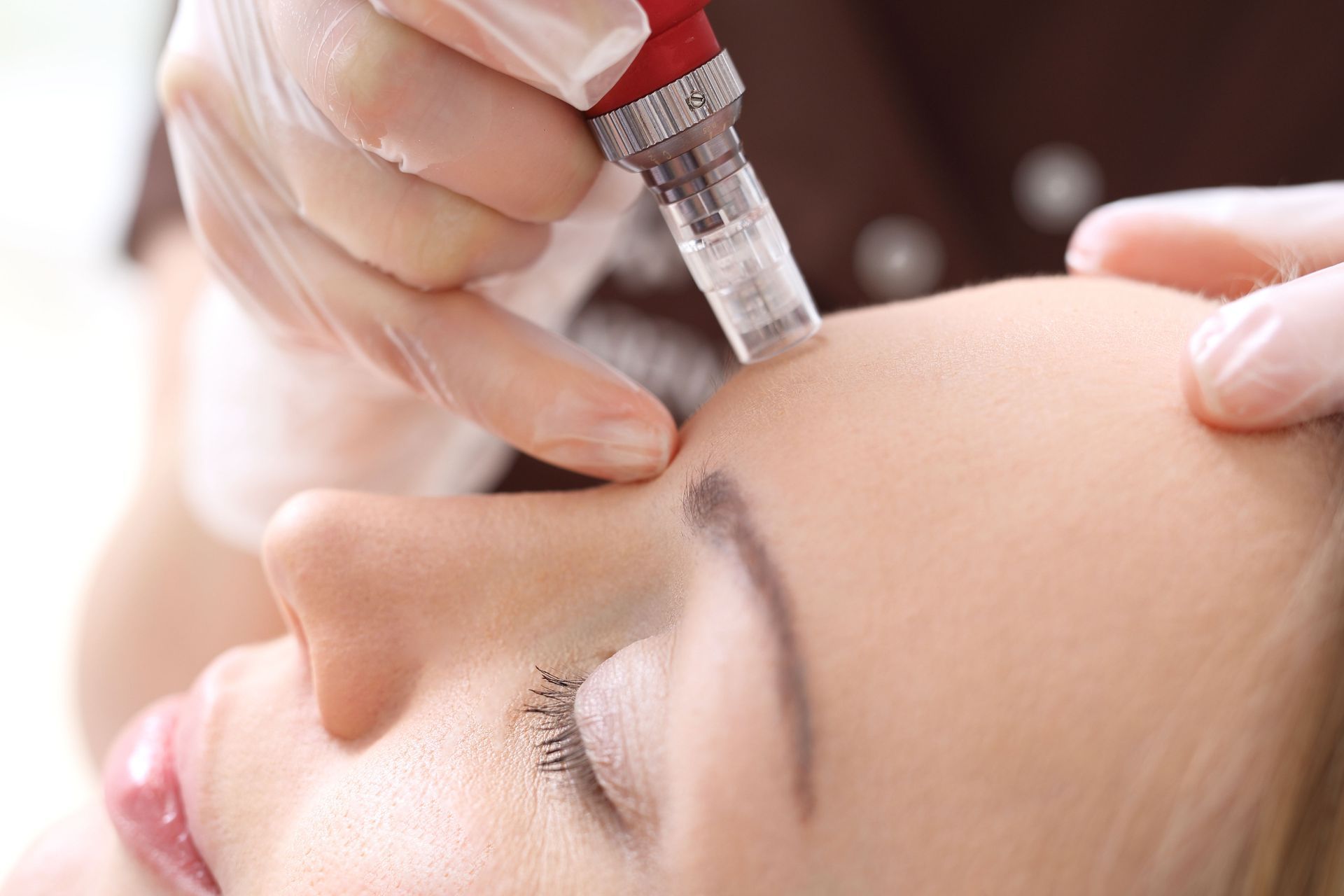
Microdermabrasion and dermabrasion procedures help to remove superficial skin layers. Microdermabrasion is a minimally invasive treatment that gently exfoliates the skin, promoting smoother texture. Dermabrasion is more intensive, addressing deeper layers of skin to reduce significant scarring and blemishes. These procedures must be performed by experienced dermatologists to ensure safety and efficacy. They can dramatically improve the appearance of the skin, restoring confidence in patients.
Corticosteroid injections provide rapid relief from painful cystic acne. Administered directly into the cyst, these injections reduce inflammation and promote healing. Dermatologists often use this approach for individual, stubborn cysts that do not respond to other treatments. The procedure is quick, with immediate reduction in the size and discomfort of the cyst. It stands as an effective emergency measure in acute acne flare-ups.
Patience and persistence are key pillars in the journey to clear skin. Acne treatment requires ongoing commitment and realistic timelines for results. Dermatologists emphasize the importance of adherence to the regimen, even when immediate changes are not visible. Consistent efforts coupled with expert guidance eventually yield smoother, healthier skin. Patients are reassured that their perseverance will be rewarded.
Dermatologists are essential partners in the journey to clear skin. Their expertise in diagnosing and treating acne provides hope and effective solutions for affected individuals. By understanding acne's underlying causes and personalizing treatment plans, dermatologists offer invaluable support. Comprehensive care that includes advanced procedures, lifestyle adjustments, and patient education results in lasting outcomes. Seeking professional advice empowers patients to achieve healthy, radiant skin. Contact Providence Dermatology today for more information.