September 15, 2026
Waking up to a new breakout can feel discouraging, especially when you have already tried every cleanser, spot treatment, and home remedy on the market. If you are one of the countless people who battle stubborn blemishes, you are far from alone. Acne is one of the most common skin conditions in the world, and it affects far more than just your appearance. It can influence your confidence, your social interactions, and even your mental health. While it can be tempting to keep managing breakouts on your own, professional treatment offers a level of insight and precision that over-the-counter products simply cannot match. This blog post explores why seeking professional care for acne prone skin matters, what causes breakouts in the first place, and how a dermatology team can help you achieve clearer, healthier skin for the long term.
Understanding Why Acne Develops
To appreciate the value of professional treatment, it helps to understand what is actually happening beneath the surface of your skin. Acne forms when hair follicles become clogged with excess oil, dead skin cells, and sometimes bacteria. This blockage can lead to whiteheads, blackheads, pimples, and in more severe cases, deep and painful cysts. While many people associate breakouts with adolescence, this condition can affect people of all ages, and adult acne has become increasingly common. Hormonal fluctuations, stress, certain medications, and even skin of color considerations like hyperpigmentation can all play a role in how breakouts present and how they should be treated. Because so many different factors can contribute to a flare-up, no single over-the-counter product is likely to address every root cause. This is precisely where a trained eye becomes invaluable.
Recognizing How Common This Skin Concern Really Is
One of the most reassuring things to understand about breakouts is just how widespread they truly are. According to the American Academy of Dermatology Association, roughly 50 million Americans deal with some form of acne every year, making it the most common skin condition in the country. That statistic alone should offer some comfort if you have ever felt embarrassed or isolated by your skin. It also underscores why this condition deserves serious medical attention rather than being dismissed as a purely cosmetic nuisance. When a health concern affects such a significant portion of the population, it makes sense that an entire field of dermatological research and treatment has developed around understanding and managing it effectively. The prevalence of this condition also means that dermatologists have seen nearly every variation of it, which puts them in an excellent position to identify what is happening with your specific skin.
Recognizing the Limits of At-Home Remedies
It is completely understandable to start with drugstore products when a breakout first appears. Many people try cleansers, spot treatments, and masks before ever considering a visit to a specialist. The problem is that these products are formulated to address surface-level symptoms rather than underlying causes. If your breakouts are driven by hormonal imbalances, an overactive sebaceous gland, or a bacterial component, a generic salicylic acid wash may only offer temporary relief, if any at all. Over time, relying solely on at-home remedies can allow moderate acne to progress into a more severe or inflamed state, increasing the likelihood of scarring and lingering dark spots. Recognizing when a breakout has moved beyond the scope of home care is an important step toward protecting your skin's long-term health.
Preventing Scarring Through Early Intervention
Perhaps one of the most compelling reasons to seek professional care is the prevention of permanent scarring. Inflamed or cystic acne that goes untreated for too long can damage the deeper layers of skin, leading to pitted scars, raised tissue, or persistent discoloration. Unlike a temporary blemish, scarring can last for years and often requires far more intensive treatment to correct than the original breakout would have needed. A dermatologist can identify signs of moderate to severe acne early on and intervene before scarring has a chance to develop. This proactive approach not only protects your skin's texture and tone but can also save you time, money, and frustration in the long run. Early treatment is almost always easier and more effective than trying to reverse damage after the fact.
Addressing the Emotional Toll of Persistent Breakouts
It is easy to underestimate how much of an emotional weight ongoing breakouts can carry. Persistent acne can affect self-esteem, contribute to social anxiety, and make people feel self-conscious in situations where they would otherwise feel confident. This emotional impact is a valid and important reason to pursue treatment, not just a secondary concern. A professional who understands both the physical and psychological effects of this condition can offer more than a prescription; they can offer reassurance and a clear path forward. When you have a treatment plan that is actually working, you are far more likely to feel like yourself again, both in the mirror and in your daily interactions with others.
Customizing Treatment for Your Unique Skin Needs
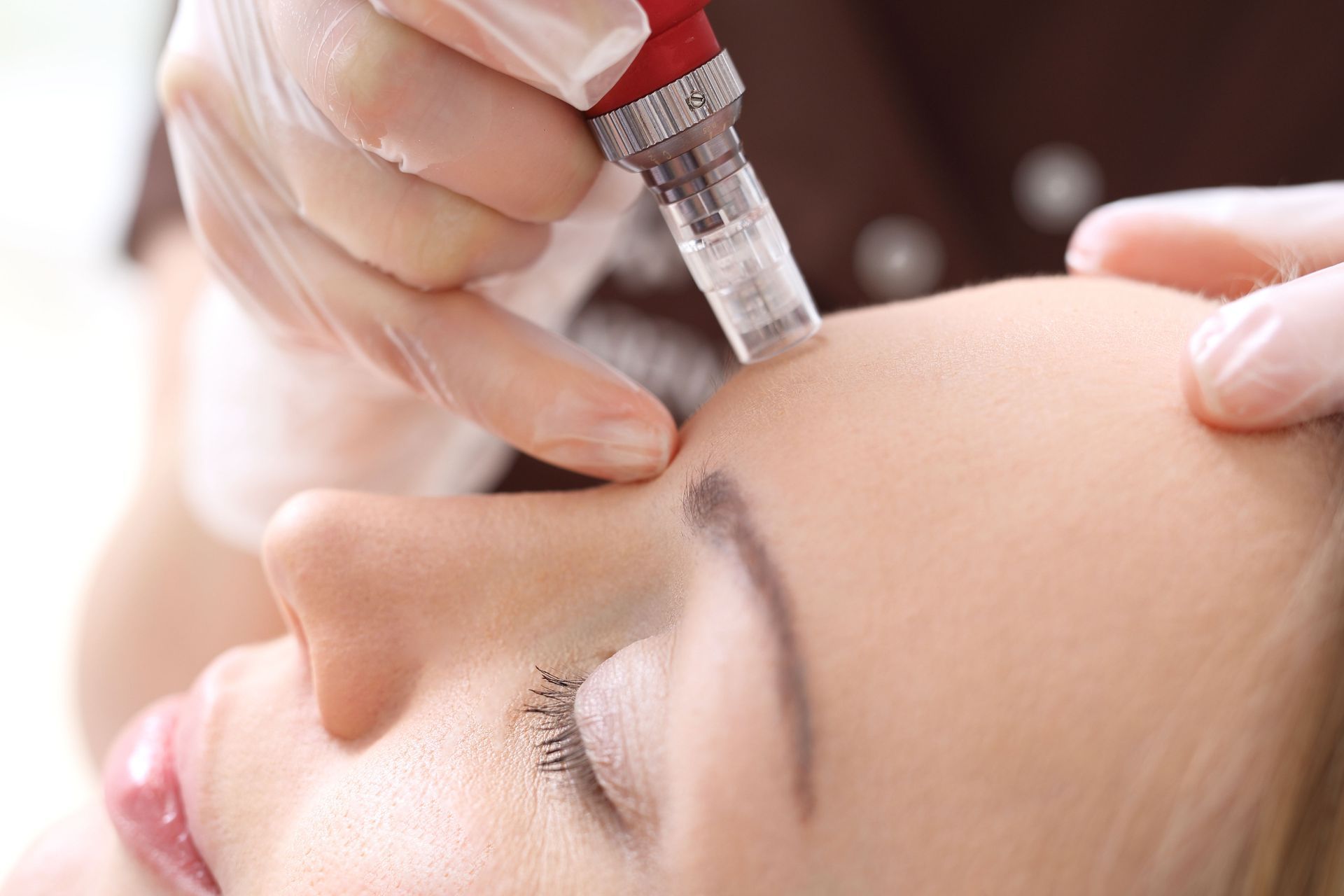
Every case of acne is different, which is why a one-size-fits-all approach rarely produces lasting results. A dermatologist can evaluate your skin type, the severity of your breakouts, your hormonal patterns, and any underlying conditions such as PCOS before recommending a treatment path. This individualized approach may include prescription-strength topical medications, oral antibiotics, hormonal therapies, or in more severe cases, isotretinoin. Some patients also benefit from in-office procedures such as chemical peels, extractions, or laser and light therapies that target inflammation and bacteria more directly than at-home products can. Because these treatments are tailored to your specific skin, they tend to produce more consistent and lasting improvement than trial-and-error methods.
Working With a Professional for Long-Term Skin Health
Choosing to work with a board-certified dermatologist means gaining a partner who is invested in your skin's health well beyond a single appointment. Professionals in this field are trained to look at the full picture, including your skincare routine, diet, lifestyle habits, and any medications that might be contributing to your breakouts. This comprehensive approach helps address the root causes of acne rather than just masking the symptoms temporarily. Regular follow-up appointments also allow your provider to adjust your treatment plan as your skin responds, ensuring that you are not stuck using a regimen that has stopped working or that could be improved upon. This level of ongoing, personalized care is difficult to replicate with over-the-counter solutions alone, and it is one of the strongest arguments for seeking professional guidance sooner rather than later.
If you have been struggling with persistent breakouts, hormonal flare-ups, or scarring, you do not have to navigate it alone. Acne is a legitimate medical condition that deserves thoughtful, individualized care, and the sooner you address it with a qualified professional, the better your long-term outcomes are likely to be. At Providence Dermatology, we understand how deeply acne can affect both your skin and your confidence, and we are committed to helping you find a treatment plan that actually works for your unique needs. Our team offers personalized, patient-centered care, from prescription-strength topical medications and hormonal therapies to chemical peels and laser treatments, all designed around your specific skin type and concerns. We invite you to reach out to Providence Dermatology today to schedule a consultation and take the first step toward clearer, healthier, and more confident skin.