September 21, 2026
Eczema can affect much more than the condition of your skin. Persistent itching, redness, dryness, scaling, and recurring flare-ups can influence how you feel about your appearance and how comfortable you are in everyday situations. When symptoms are visible or difficult to control, it is understandable to become more self-conscious or hesitant to participate in activities you once enjoyed.
Professional care can make a meaningful difference by addressing eczema from multiple angles. Rather than relying solely on temporary symptom relief, a dermatologist can evaluate your condition, identify potential triggers, and develop a treatment plan designed around your skin's needs. Effective eczema treatment can help reduce uncomfortable symptoms while supporting healthier skin and a more positive relationship with your appearance.
Understanding the Connection Between Eczema and Self-Confidence
Recognizing How Visible Symptoms Affect Daily Life
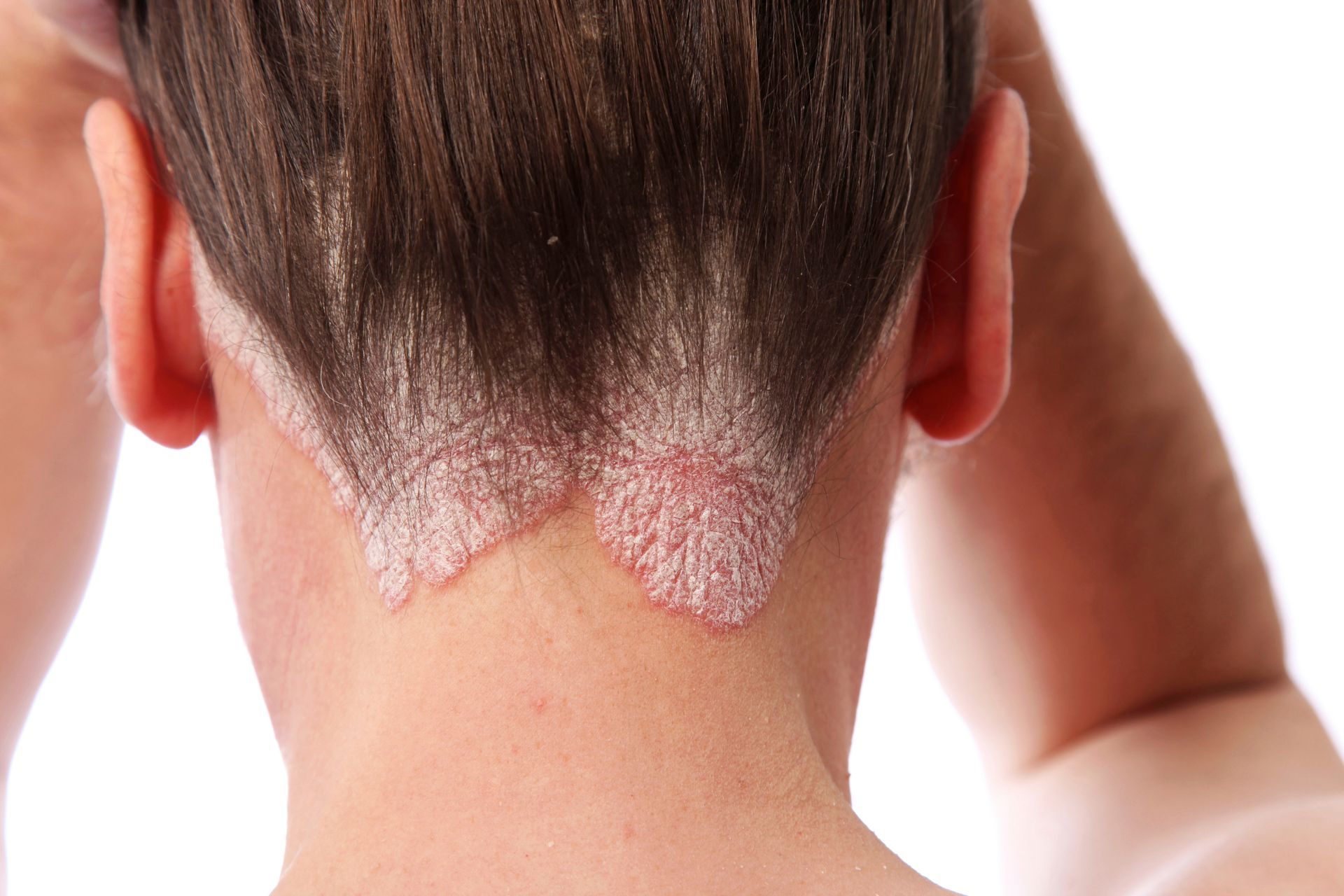
Eczema can appear on highly visible areas such as the face, hands, neck, and arms, making symptoms difficult to conceal. Redness, inflammation, scaling, cracking, and irritated patches may attract unwanted attention or make you worry about how others perceive you. Even when other people do not comment on your skin, you may spend considerable time thinking about whether they have noticed it. This constant awareness can gradually affect self-esteem and make ordinary social interactions feel more stressful.
The discomfort associated with eczema can also influence confidence in less obvious ways. Persistent itching may make it difficult to concentrate at work, sleep comfortably, or enjoy time with friends and family. You may avoid certain clothing, activities, or social situations because you are concerned about exposing affected areas or triggering another flare-up. By addressing both the physical symptoms and the concerns surrounding them, professional eczema treatment can help you feel more comfortable participating in daily life.
Understanding the Emotional Effects of Flare-Ups
Eczema is often unpredictable, and uncertainty about when symptoms will return can contribute to frustration. You may experience periods when your skin looks and feels relatively healthy followed by a sudden flare-up. This cycle can make it difficult to feel comfortable with your appearance because you cannot always predict how your skin will look from one day to the next. Over time, repeated flare-ups may lead some people to become overly focused on perceived imperfections.
The emotional effects can be particularly significant when symptoms persist despite attempts at self-care. According to Healthline, approximately 6.6 million adults in the United States have moderate to severe atopic dermatitis, which is the most common form of eczema. This prevalence illustrates that significant eczema symptoms are not an isolated experience, even when they may make you feel alone or self-conscious. Working with a dermatologist can provide a clearer understanding of your condition and give you practical strategies for managing it.
Building Healthier Skin Through Personalized Care
Identifying Your Eczema Type and Triggers
Not all eczema behaves the same way, so determining the type of eczema you have is an important part of developing an appropriate care plan. Atopic dermatitis, contact dermatitis, dyshidrotic eczema, nummular eczema, seborrheic dermatitis, and stasis dermatitis can have different characteristics and contributing factors. A dermatologist can examine your skin, review your medical history, discuss your symptoms, and consider potential environmental or lifestyle triggers when evaluating your condition.
Identifying triggers can also give you greater control over your skin. Irritants, allergens, weather changes, stress, bathing habits, and skincare products can contribute to flare-ups in some individuals. Professional eczema treatment may incorporate trigger avoidance strategies alongside medical therapies, helping you understand which factors may be affecting your symptoms. Having a personalized plan can replace guesswork with practical steps that fit your circumstances and support more consistent skin management.
Strengthening the Skin Barrier
A weakened skin barrier is closely associated with eczema symptoms because the skin may have greater difficulty retaining moisture and protecting itself from irritants. Dryness can contribute to itching, while scratching can further damage the skin and create a cycle of irritation. Supporting the skin barrier is therefore an important component of managing eczema and reducing the frequency or intensity of symptoms.
A dermatologist may recommend a structured moisturizing and bathing routine designed to protect your skin without adding unnecessary irritation. Depending on your symptoms and medical history, professional eczema treatment may also include prescription-strength topical medications to reduce inflammation. Other options can include oral medications, biologic injections, or phototherapy when appropriate for more persistent or severe disease. The goal is not simply to make your skin look better temporarily but to improve its condition and help you manage the chronic nature of eczema.
Adjusting Treatment as Your Skin Changes
Eczema management often requires ongoing attention because symptoms and triggers can change over time. A treatment approach that works well during one period may need to be adjusted when your skin becomes more or less active. Regular dermatology care allows your provider to monitor your response and determine whether your current regimen continues to meet your needs.
Treatment response can also vary considerably from one person to another. Some individuals may notice improvements in itching and inflammation relatively quickly, while more persistent symptoms can require a longer period of management. A dermatologist can explain what to expect from your specific treatment plan and make appropriate adjustments when necessary. Knowing that your care can evolve with your condition may make eczema feel more manageable and give you a greater sense of control over your skin.
Regaining Confidence Through Consistent Eczema Management
Feeling More Comfortable in Social Situations
When eczema symptoms become less noticeable and uncomfortable, everyday interactions may feel easier. You may feel more comfortable wearing clothing that exposes previously affected areas, meeting new people, attending social events, or participating in activities without constantly thinking about your skin. This does not mean that healthy skin determines your worth or appearance, but reducing persistent symptoms can remove a significant source of distraction and discomfort.
Improved skin management can also help reduce the urge to hide your symptoms. If you have previously avoided photographs, gatherings, exercise, or other activities because of visible flare-ups, better control may make it easier to participate again. Professional eczema treatment can support this process by combining medical therapies with education about skincare, trigger management, and long-term maintenance. As your routine becomes more predictable, you may spend less time planning your day around your eczema.
Developing a Sustainable Skincare Routine
Confidence can grow when you understand how to care for your skin and have a routine you can realistically maintain. A dermatologist can explain how often to moisturize, which types of products may be appropriate, how to approach bathing, and how to recognize signs that a flare-up may require additional attention. Clear guidance can make skincare feel less overwhelming, particularly if you have tried numerous over-the-counter products without achieving satisfactory results.
A personalized routine can also help you become more proactive about your condition. Instead of waiting until symptoms become severe before taking action, you can learn strategies for maintaining your skin barrier and responding to early changes. Professional eczema treatment can include education that helps you recognize potential triggers and understand why specific therapies have been recommended. This knowledge can make daily care feel more purposeful and give you practical tools for maintaining progress between dermatology appointments.
Eczema can affect your comfort, routines, appearance, and emotional well-being, but you do not have to manage its challenges through trial and error alone. A dermatologist can evaluate your symptoms, identify your eczema type and potential triggers, and recommend a personalized approach that addresses your individual needs. Schedule a consultation with Providence Dermatology today to develop personalized eczema treatment for healthier, more comfortable skin.