October 13, 2026
When you first begin managing a skin flare-up, finding a routine that provides relief can feel like a major victory. You apply your recommended ointments, stick to gentle cleansers, and watch your skin gradually calm down. However, skin conditions are dynamic, living systems that evolve over time. What worked remarkably well six months ago might suddenly leave your skin dry, inflamed, or intensely itchy.
Feeling like your treatment has lost its effectiveness can be frustrating, but symptom progression is actually a normal physiological response rather than a personal failure. According to Verywell Health, at least one type of eczema affects around 10.1% of people in the United States. Understanding how this widespread condition changes over time empowers you to adapt your strategy alongside a healthcare professional. Recognizing when your current plan is no longer sufficient is the first step toward reclaiming long-term comfort and healthy skin.
Understanding How Skin Conditions Progress Over Time
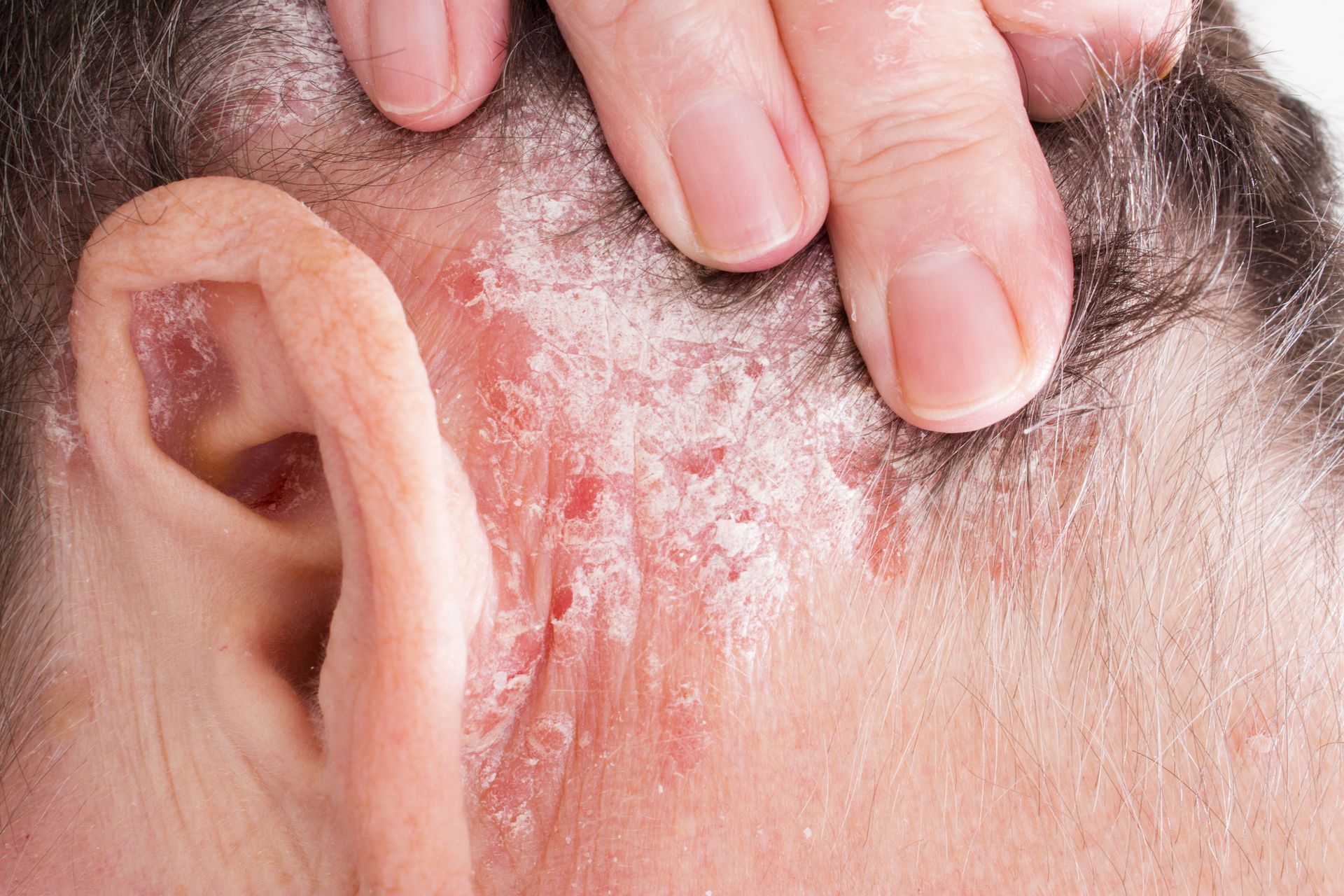
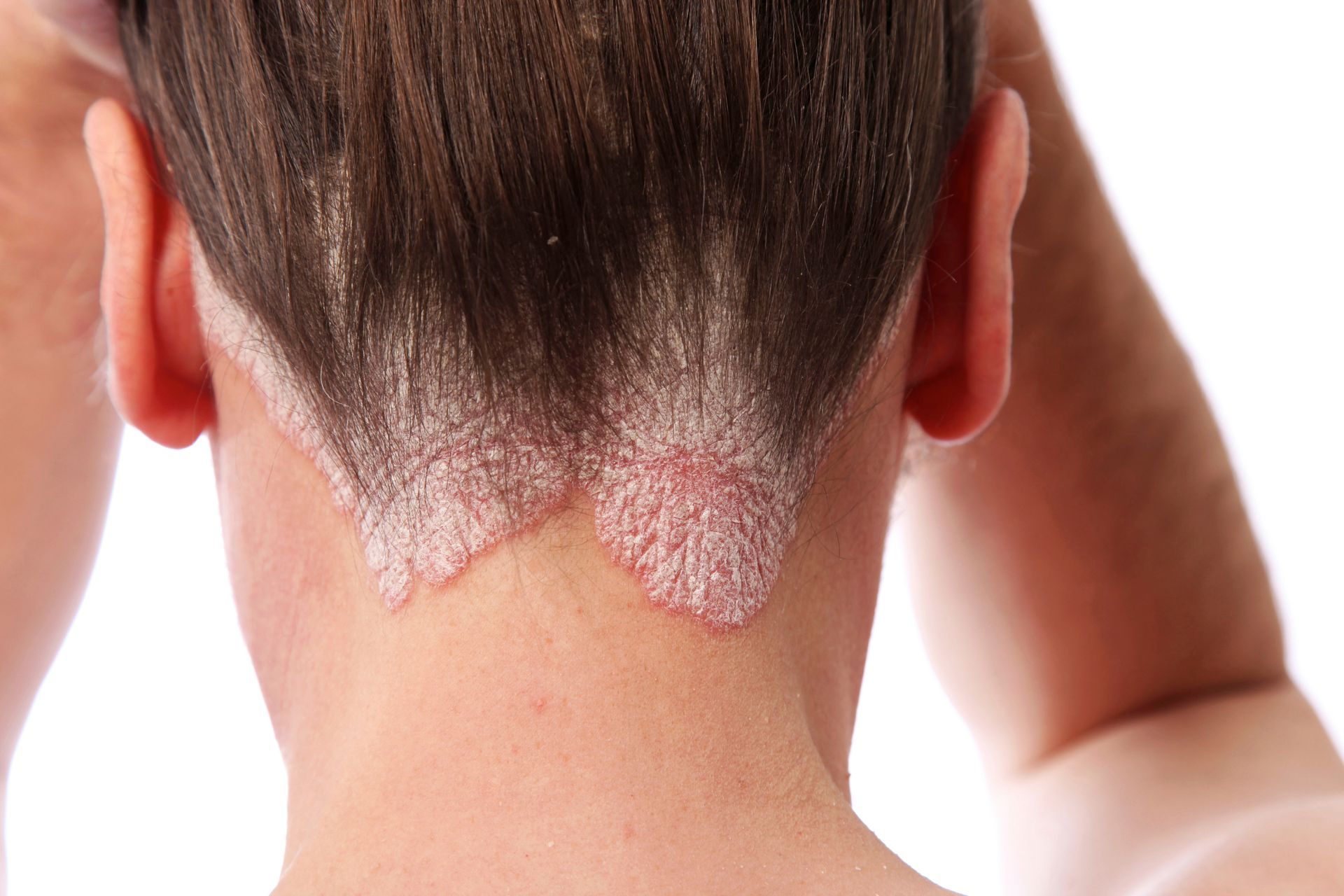
Inflammatory skin issues rarely follow a simple, linear path. In the early or acute stages, skin inflammation often manifests as sudden, bright red or pink patches accompanied by intense itching, slight swelling, or tiny fluid-filled bumps. If inflammation persists untreated or experiences repeated flares, the physical structure of your skin begins to change. Prolonged immune activity in the dermal layers causes the skin to thicken, darken, and develop deep, exaggerated skin lines—a process known medically as lichenification.
Beyond surface texture changes, persistent inflammation fundamentally alters the epidermal barrier. The outermost layer of your skin, designed to lock in moisture and keep irritants out, becomes structurally compromised. The skin's microbiome also undergoes shifts, allowing opportunistic bacteria to colonize more easily. Because chronic, thickened lesions are physically distinct from mild, acute irritations, the initial low-potency topical creams designed for early care simply cannot penetrate deeply enough or quiet the complex immune response occurring underneath. Recognizing the eczema progression spectrum helps explain why a strategy that managed mild dryness may fail when facing deep, chronic inflammation.
Recognizing the Signs That Your Current Plan Is Failing
Identifying the early warning signs of treatment plateau allows you to seek care adjustments before a minor setback becomes a severe flare-up. One of the most common indicators is treatment resistance, where a previously reliable prescription or over-the-counter moisturizer yields diminishing returns. You might find yourself applying product more frequently throughout the day, yet experiencing little to no reduction in redness or itchiness.
Another clear sign of progression is a change in the frequency, duration, or spread of your flares. If your skin issues are breaking out closer together, taking longer to clear up, or migrating to new anatomical locations—such as spreading from the inner elbows to the face or back—your current regimen is no longer maintaining control. Furthermore, non-dermatological red flags, such as sleep disturbance due to nighttime scratching, difficulty concentrating, or increased anxiety about your skin's appearance, signal that your treatment needs an update. Physical complications like deep, bleeding fissures or signs of secondary infection also mean it is time for a revised clinical approach.
Escalating Medical Therapies for Worsening Inflammation
When localized topical therapies no longer keep inflammation at bay, dermatologists turn to a structured ladder of advanced treatments. The first step typically involves stepping up topical potency. Your doctor might transition you from an over-the-counter hydrocortisone to a prescription-strength topical corticosteroid, or introduce non-steroidal topical agents like calcineurin inhibitors or PDE4 inhibitors, which target specific inflammatory pathways without the risk of skin thinning.
If widespread areas of your body are affected or topical application becomes impractical, phototherapy (light therapy) may be recommended. Phototherapy uses controlled doses of narrow-band ultraviolet B (UVB) light to reduce immune system overactivity directly in the skin. For moderate-to-severe cases that resist topical and light treatments, modern dermatology offers powerful systemic options. Biologic therapies—injected medications that specifically block key inflammatory proteins—and oral JAK inhibitors offer targeted relief from the inside out. Managing advanced eczema requires working closely with your dermatologist to step up therapies safely and effectively as symptoms demand.
Addressing Secondary Skin Infections and Bacterial Overgrowth
A compromised skin barrier combined with frequent scratching creates microscopic openings in the epidermis. These small fissures provide an entry point for bacteria, viruses, and fungi that normally live harmlessly on the surface of the skin. Staphylococcus aureus, in particular, thrives in inflamed skin environments, where it releases toxins that further trigger inflammatory immune responses, creating a vicious cycle.
It is critical to distinguish between a standard inflammatory flare and a secondary bacterial infection. Signs of an active infection include oozing clear or yellow fluid, honey-colored crusting, painful sores, rapid spreading of redness, or warmth around the affected area. When bacterial or viral overgrowth occurs, standard anti-inflammatory creams alone will not resolve the issue. Your treatment plan must be temporarily modified to include targeted topical or oral antibiotics, antiviral medications, or specialized antiseptic washes. Once the microbial balance is restored, your primary skin treatments can resume working effectively.
Managing the Psychological and Emotional Impact of Progression
The relationship between chronic skin conditions and stress is deeply biological. When you experience stress, your body releases hormones like cortisol and adrenaline, which activate inflammatory pathways throughout the body and increase the skin's sensitivity to itch signals. This creates the well-known "itch-scratch cycle": stress triggers itching, scratching further damages the skin barrier, damaged skin causes more physical discomfort and emotional distress, and the resulting stress triggers another flare.
Addressing the mental health aspect of chronic skin management is just as important as topical care. Incorporating stress-reduction techniques—such as mindfulness meditation, cognitive behavioral therapy (CBT), or regular moderate exercise—can measurably reduce inflammatory flare-ups. Building a comprehensive eczema care team that addresses both physical symptoms and emotional well-being helps break the cycle of stress-induced inflammation and improves overall quality of life.
Navigating Medication Tolerance and Rebound Effects
Using high-potency treatments long-term requires careful supervision to prevent tolerance and adverse side effects. When topicals are used continuously for extended periods, the skin can adapt, leading to tachyphylaxis—a temporary reduction in how well the medication works. Additionally, abrupt cessation of strong topical corticosteroids can sometimes cause rebound flares, where inflammation returns rapidly and more intensely than before.
To avoid these complications, dermatologists utilize structured treatment strategies, such as "steroid holidays" or intermittent weekend-only maintenance protocols. Transitioning to non-steroidal topical agents or long-term biologic therapies allows for sustained inflammation control without relying solely on high-potency steroids. Regular follow-up appointments allow your healthcare team to adjust dosages, rotate therapies, and monitor skin thickness to ensure your long-term plan remains both safe and effective.
Symptom progression in chronic skin conditions is a common, manageable reality that simply signals it is time to re-evaluate and adapt your care strategy. Evolving your routine from basic surface hydration to targeted medical therapies allows you to stay ahead of changing inflammation levels and protect your skin barrier over time. If you are noticing changes in your skin or finding that your usual routine is no longer providing relief, take control of your health by consulting with a specialized skin professional today.
Our experienced clinical team at Providence Dermatology is dedicated to helping you navigate evolving skin conditions, including persistent eczema, and building a tailored treatment plan that brings long-lasting comfort. Contact us now to schedule your personalized consultation and take the first step toward clearer, healthier skin. Re-evaluating your overall approach to managing
eczema ensures your care stays as dynamic as your skin's changing needs.