August 13, 2026
Sun exposure is an essential element of natural living, renowned for its role in the synthesis of vitamin D and promoting a sense of well-being. However, while the immediate benefits of sunlight are widely celebrated, its long-term implications, particularly concerning melanoma, are often underestimated. Melanoma, though accounting for only 1% of skin cancer diagnoses, is responsible for the majority of skin cancer deaths, underscoring the seriousness of this condition. This makes melanoma awareness an essential part of long-term sun safety.
As lifestyles have evolved with more outdoor activities, understanding the precise balance between beneficial and hazardous sun exposure is crucial. This article delves into the intricate link between sun exposure and melanoma, providing insights into preventive measures, risk factors, and the latest advancements in treatment. Our journey begins with an exploration of sun exposure's fundamentals and culminates in a discussion on living with and overcoming melanoma.
Raising awareness about skin cancer's potential danger and the necessity for prudent sun habits are key themes woven throughout this discourse. The importance of this topic cannot be overstated, as it directly impacts both individual health outcomes and broader public health strategies. Armed with this knowledge, individuals can make informed decisions to safeguard their health while still enjoying the sun responsibly. Consistent prevention can reduce avoidable exposure that may contribute to melanoma.
The Basics of Sun Exposure
The Science of Sunlight: UV Rays Explained
Ultraviolet (UV) radiation is a component of sunlight, invisible to the naked eye but significant in its biological effects. This energy can be divided into three categories: UVA, UVB, and UVC, with each having distinct impacts on the skin and environment. While UVC is mostly absorbed by the Earth's atmosphere, both UVA and UVB penetrate the atmosphere and can affect human skin. UVA rays are absorbed more deeply into the skin, leading to aging and long-term damage, while UVB rays are primarily responsible for sunburn. Understanding these differences is crucial for appreciating how sun exposure can potentially lead to serious health issues like melanoma.
UV radiation plays a dual role, being vital for processes like vitamin D synthesis while also posing carcinogenic risks. During exposure, UVB is directly involved in converting cholesterol in the skin to vitamin D, essential for calcium absorption and bone health. However, both UVA and UVB can damage the DNA in skin cells, potentially triggering mutations that lead to skin cancer. Sunscreen technologies primarily focus on filtering these UV rays to mitigate their harmful effects while allowing beneficial rays to contribute to health. The balance between beneficial and harmful outcomes of UV exposure significantly informs public health recommendations worldwide. These recommendations are especially important for lowering preventable melanoma risk.
In addition to direct health effects, UV radiation influences global ecosystems, affecting everything from human health to the planetary climate system. It impacts atmospheric reactions that help stabilize the ozone layer, a critical shield against harmful UV radiation. The delicate balance of UV radiation's benefits and risks illustrates the necessity of protective measures when engaging with the sun. Public health guidelines such as peak sun exposure avoidance and protective clothing usage are vital against the backdrop of increasing UV indices in climate-vulnerable regions. Through comprehensive understanding and strategic action, individuals can maximize the sun's benefits while minimizing its threats. Such habits can also help reduce cumulative damage associated with melanoma.
Vitamin D: Sunlight’s Positive Biological Contributions
Vitamin D production is one of the most well-known benefits of sun exposure, playing an essential role in maintaining healthy bones and immune function. This vitamin is synthesized when UVB rays interact with a cholesterol-related compound in the skin, converting it into active vitamin D. Adequate levels of this vitamin help the body absorb calcium more efficiently, reducing risks of osteoporosis and fractures. Research shows that vitamin D can also modulate the immune system, potentially reducing the risk of autoimmune diseases. However, achieving sufficient vitamin D levels through sun exposure presents a nuanced challenge, requiring strategic ultraviolet exposure without exacerbating melanoma risks.
While dietary sources and supplements can contribute to vitamin D levels, sunlight is the most efficient source for most people. Public health guidelines recommend moderate unprotected sun exposure for effective vitamin D synthesis, though these must be weighed against skin cancer risks. The time, frequency, and duration of sun exposure are critical factors in ensuring optimal vitamin D without crossing the threshold where damage supersedes benefit. The balance is particularly delicate for people with lighter skin types, who produce vitamin D more quickly and are consequently more susceptible to UV-induced damage. Therefore, holistic approaches combining diet, supplementation, and prudent sun exposure are often necessary for maintaining adequate vitamin D levels safely. This balanced approach supports vitamin D needs without unnecessarily increasing melanoma risk.
What is Melanoma: A Deep Dive
Understanding Melanoma: Definition and Characteristics
Melanoma is a type of skin cancer that originates in the melanocytes, the cells responsible for pigment production in the skin. Distinguished by its aggressive nature, melanoma can spread from the skin to other parts of the body more readily than other skin types. While it accounts for only 1% of skin cancer diagnoses, according to Mayo Clinic Laboratories, melanoma is the leading cause of skin cancer-related deaths, highlighting its lethal potential. The condition can appear anywhere on the skin or even in non-skin locations like the eyes and digestive tract, allowing for wide-ranging symptomatic variation. Early detection and treatment are critical, as they significantly improve prognosis and reduce mortality risk. Greater familiarity with melanoma can encourage faster evaluation of suspicious changes.
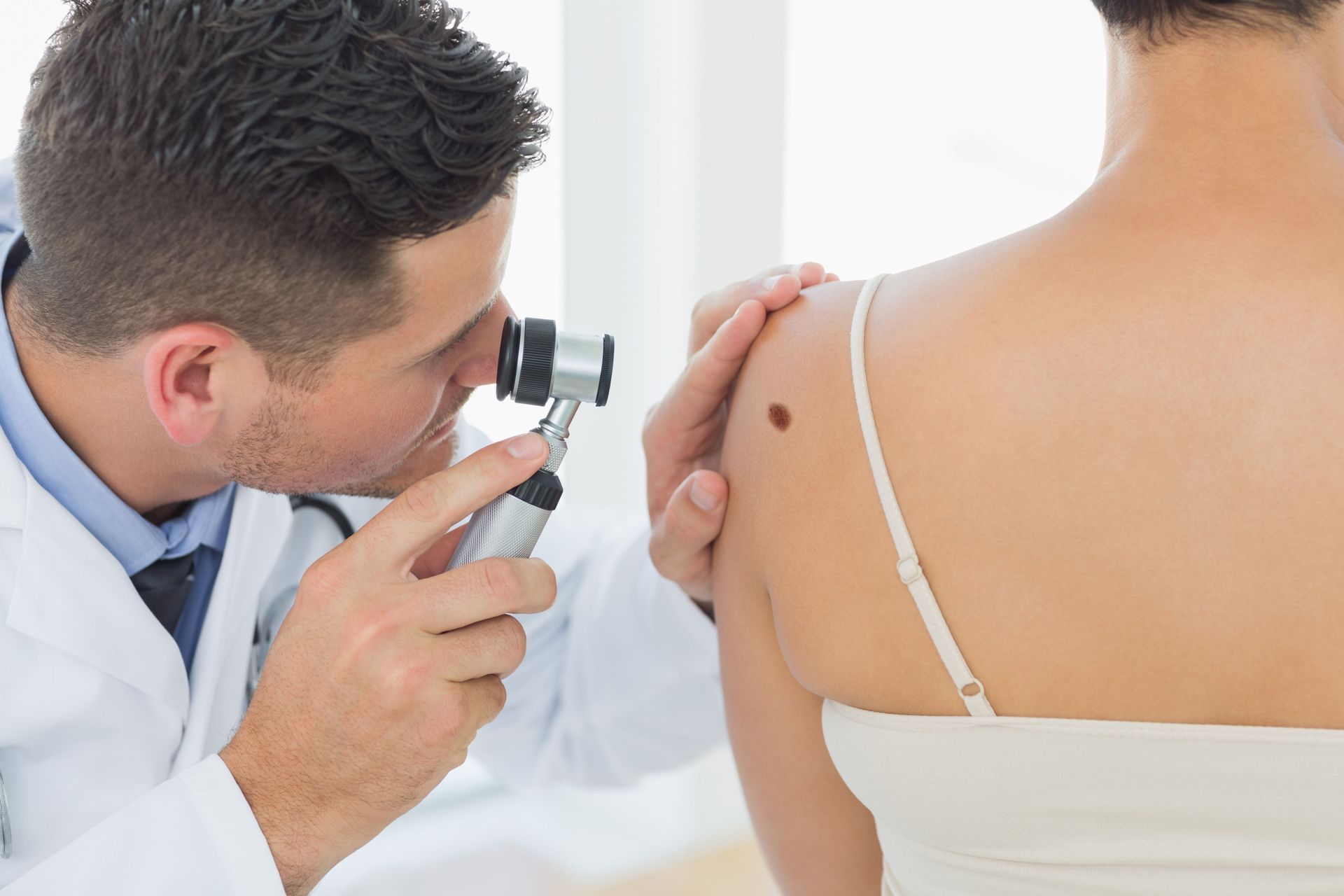
The development of melanoma is closely linked to DNA damage induced by UV radiation, emphasizing the importance of protection against prolonged sun exposure. Certain fair-skinned individuals and those with a history of severe sunburns exhibit a heightened risk of developing melanoma due to increased susceptibility to UV damage. This form of skin cancer presents as irregularly pigmented moles, often accompanied by asymmetrical borders and varied coloration. Recognizing the ABCDE (Asymmetry, Border, Color, Diameter, and Evolving) rule can facilitate early detection, necessitating awareness campaigns aimed at encouraging regular skin checks. Such proactive monitoring accompanies educative efforts, enabling individuals to identify potential melanoma signs promptly.
The global burden of melanoma spurs efforts to delineate its characteristics for effective diagnosis and treatment strategies. Research into its molecular underpinnings continues to uncover genetic and environmental factors influencing susceptibility and progression. Although surgical intervention is the primary treatment, advances in targeted therapies and immunotherapy are expanding the toolkit for addressing metastatic melanoma. Engaging the public and healthcare professionals in understanding the aggressive nature of melanoma propels advocacy for consistent, evidence-based screening and prevention programs. With improved knowledge, individuals can better manage melanoma risk factors, empowering timely medical interventions and enhancing therapeutic outcomes.
The Different Stages of Melanoma and Their Implications
Melanoma staging is a critical component in determining prognosis and guiding treatment decisions, with each stage reflecting the extent of cancer progression. Stage 0, or melanoma in situ, indicates that cancerous cells are confined to the outermost skin layer, resulting in the most favorable outcomes when adequately treated. As the disease advances through Stages I and II, the tumor thickness and potential ulceration increase, indicating heightened aggressiveness and potential for lymphatic spread. Stage III melanoma signifies lymph node involvement, necessitating more aggressive, multilateral treatment approaches. By Stage IV, the melanoma has metastasized beyond the skin region and lymph nodes to distant organs, presenting significant therapeutic challenges.
Early detection can make a major difference in melanoma treatment and long-term outcomes. By learning the warning signs, scheduling professional skin examinations, and making sun protection part of a daily routine, individuals can take meaningful control of their skin health. Responsible sun exposure, ongoing awareness, and prompt medical attention provide the strongest foundation for reducing melanoma risks while continuing to enjoy time outdoors. Call Providence Dermatology today to discover more.