August 12, 2026
Dry or irritated skin can have many causes, including weather changes, allergies, harsh products, and underlying skin conditions. Eczema is a broad term for inflammatory skin conditions that can cause itching, redness, dryness, and recurring flare-ups. Symptoms may look different from one person to another, and they can change over time. Some people experience mild patches that come and go, while others develop persistent irritation that affects sleep, concentration, and daily comfort. Recognizing possible warning signs can help you decide when to speak with a dermatologist. According to the American Academy of Dermatology Association, the most common type of eczema, atopic dermatitis, impacts nearly one in ten Americans of all ages.
1. Noticing Persistent Itching
Ongoing itching is one of the most common signs associated with eczema. The sensation may be mild during the day and become more intense at night, making it difficult to sleep. Some people notice itching before a visible rash develops, while others experience it only in areas that already appear dry or inflamed. Scratching may provide temporary relief, but it can damage the skin barrier and make irritation worse. Repeated scratching can also create small wounds that increase the risk of infection.
If itching continues for several days, repeatedly returns, or interferes with rest, it may be time to seek professional guidance. A dermatologist can examine the affected areas and consider whether eczema, contact dermatitis, psoriasis, an allergy, or another condition could be responsible. Appropriate eczema treatments may help calm inflammation, reduce itching, and protect the skin from further damage. Avoiding aggressive scratching and keeping fingernails short may also limit injury while you wait for an evaluation.
2. Noticing Dry, Scaly Skin
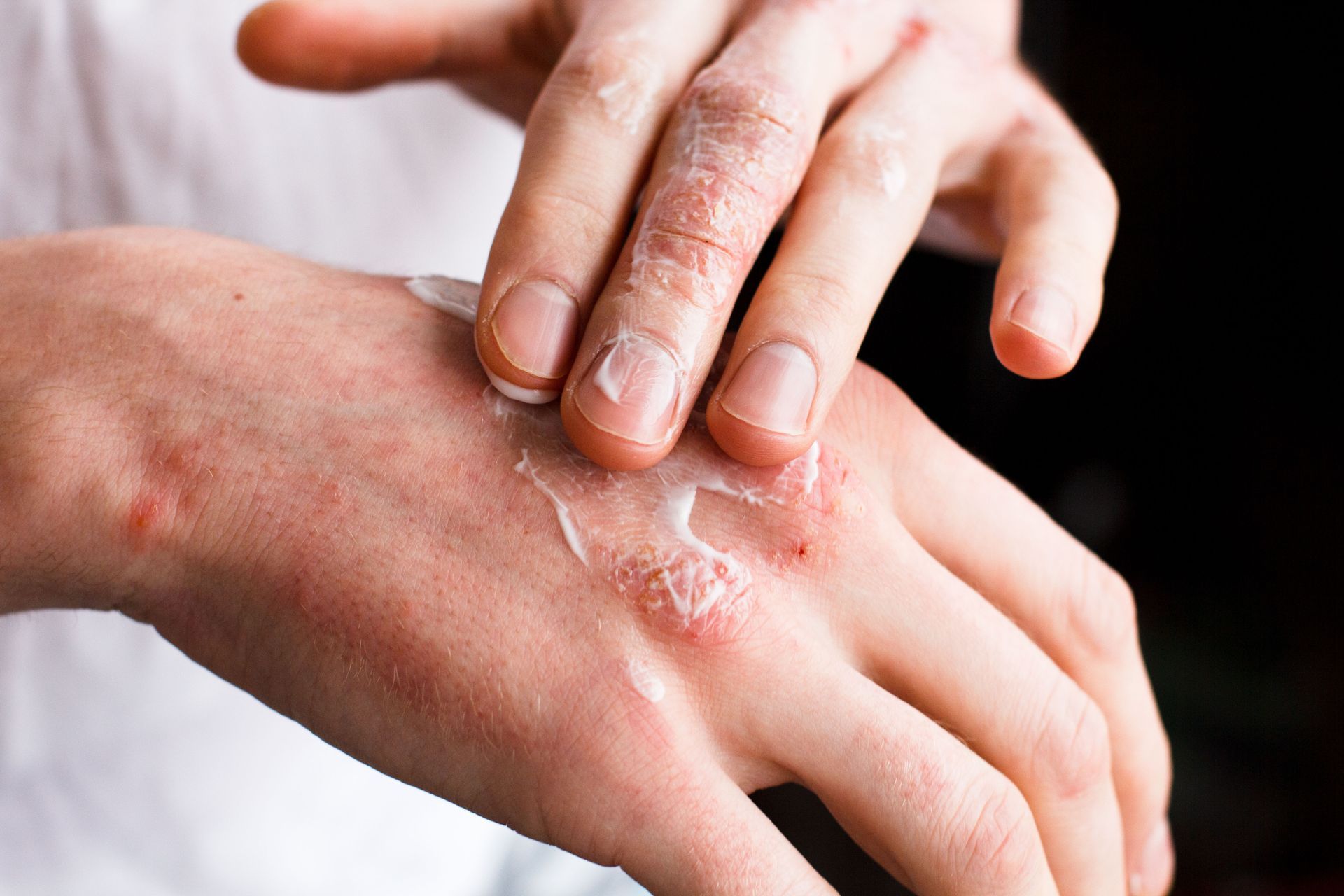
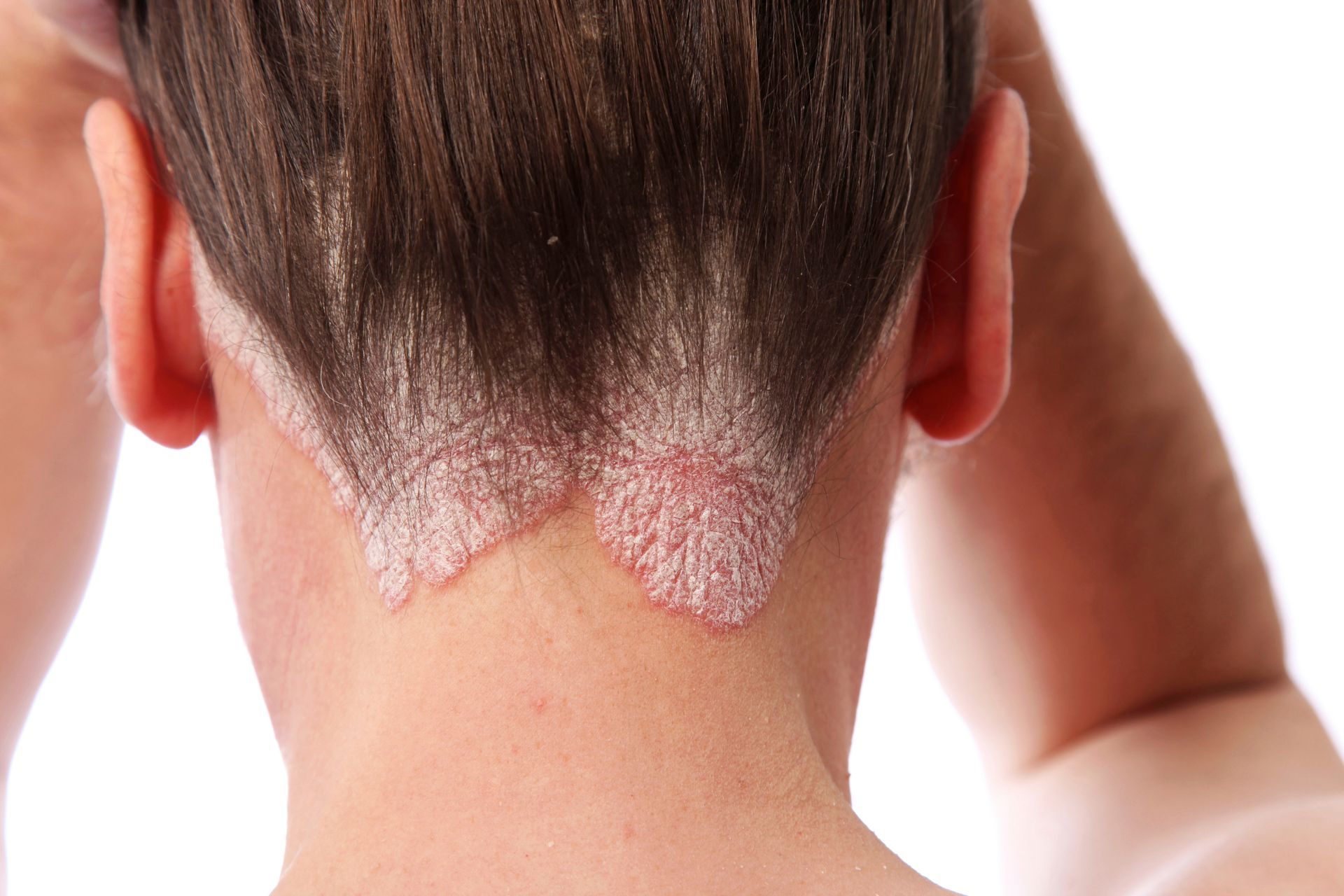
Eczema often weakens the skin’s ability to retain moisture, which can lead to rough, flaky, or scaly patches. These areas may feel tight after bathing or become more noticeable during cold, dry weather. The skin can look ashy, cracked, or uneven, depending on a person’s natural skin tone and the severity of the irritation. Although ordinary dryness may improve quickly with moisturizer, eczema-related dryness often returns or remains concentrated in the same locations.
Regular moisturizing can support the skin barrier, but persistent scaling may require more targeted care. Fragrance-free creams and ointments are often less irritating than heavily scented lotions, especially when applied shortly after bathing. A medical professional can recommend eczema treatments based on the location, extent, and intensity of the symptoms. Because fungal infections and other conditions can also cause scaling, getting an accurate diagnosis is important before relying on a specific product or home remedy.
3. Noticing Red or Discolored Patches
Inflamed eczema patches may appear red, pink, purple, gray, brown, or darker than the surrounding skin. The exact color can vary widely depending on skin tone and whether the area is actively inflamed or healing. These patches may have poorly defined borders and can appear on the hands, face, neck, elbows, knees, ankles, or other areas. In babies and young children, symptoms may also develop on the cheeks, scalp, or outer surfaces of the arms and legs.
Color changes alone do not confirm eczema, but they can be meaningful when combined with itching, dryness, or recurring irritation. A dermatologist can evaluate the pattern and determine whether the discoloration reflects active inflammation, post-inflammatory pigment changes, or another skin problem. Effective eczema treatments may reduce inflammation and help prevent new patches from forming. Existing pigment changes can take longer to fade, even after the underlying flare has improved.
4. Noticing Thickened or Leathery Areas
Skin that is scratched or rubbed repeatedly may become thicker over time. This change, sometimes called lichenification, can make the affected area look leathery, rough, or more deeply lined than nearby skin. Thickened patches often develop on places that are easy to reach, such as the wrists, ankles, neck, or inner elbows. They may also feel constantly itchy, creating a cycle in which scratching causes more thickening and the thickened skin becomes increasingly uncomfortable.
Breaking the itch-scratch cycle is an important part of managing this symptom. A clinician may recommend ways to reduce inflammation, protect the area, and identify triggers that contribute to repeated rubbing. Depending on the situation, eczema treatments may include prescription topical medication, intensive moisturizing, wet-wrap therapy, or other approaches. Covering the skin with soft clothing or a protective dressing may also reduce unconscious scratching, particularly during sleep.
5. Noticing Cracks, Oozing, or Crusting
More severe eczema can cause the skin to crack, weep clear fluid, or develop crusted areas. Deep cracks may be painful and can form on the fingers, palms, feet, or other places exposed to frequent movement and washing. Oozing may occur when small blisters break or when inflamed skin becomes damaged from scratching. Yellow or honey-colored crusting, increasing warmth, swelling, or tenderness may suggest that bacteria have entered the weakened skin barrier.
These symptoms should not be ignored, especially if they spread quickly or are accompanied by fever, significant pain, or pus. A dermatologist can determine whether the skin is infected and whether antimicrobial medication is needed in addition to eczema treatments. Prompt care may help prevent the infection from worsening. Until the area is evaluated, avoid picking at crusts, sharing towels, or applying unfamiliar products that could cause additional irritation.
6. Noticing Symptoms After Common Triggers
Eczema flare-ups may follow exposure to substances or situations that irritate the skin. Common triggers can include fragranced soaps, laundry products, certain fabrics, frequent handwashing, sweat, heat, cold weather, dust, stress, or contact with specific chemicals. Triggers vary from person to person, and some individuals may react to several factors at once. Keeping track of when symptoms begin can reveal patterns that are difficult to recognize from memory alone.
A simple symptom diary can record products used, activities, weather conditions, stress levels, and changes in the skin. This information may help a dermatologist identify possible irritants and develop a realistic prevention plan. Eczema treatments often work best when they are combined with trigger avoidance and consistent skin care. However, eliminating too many foods or products without medical guidance can be unnecessary and may create other problems, so changes should be based on evidence whenever possible.
7. Noticing Repeated Flare-Ups
Eczema often follows a pattern of flares and quieter periods. The skin may improve for weeks or months and then become itchy, dry, or inflamed again. Recurring symptoms in the same areas can be an important clue, especially when they are linked to seasonal changes, stress, illness, or product exposure. Some people also experience several types of eczema at different times, including hand eczema, contact dermatitis, or atopic dermatitis.
Repeated flare-ups can affect more than appearance. They may disrupt sleep, limit exercise, make work uncomfortable, or cause embarrassment in social settings. A dermatologist can help create a long-term plan rather than treating each episode as an isolated problem. Depending on severity, eczema treatments may range from moisturizers and topical prescriptions to light therapy, oral medications, or injectable therapies. Follow-up visits can also help adjust the plan when symptoms, triggers, or treatment responses change.
Possible eczema symptoms include persistent itching, dry or scaly skin, discolored patches, thickened areas, cracking, oozing, trigger-related irritation, and recurring flare-ups. Because these signs can overlap with infections, allergies, psoriasis, and other conditions, a professional evaluation is the best way to confirm the cause and choose appropriate care. Early attention may help protect the skin barrier, reduce discomfort, and prevent symptoms from becoming more difficult to manage. To discuss your symptoms and learn which eczema treatments may be appropriate for your skin, contact Providence Dermatology today.